


 info@greenexpomax.com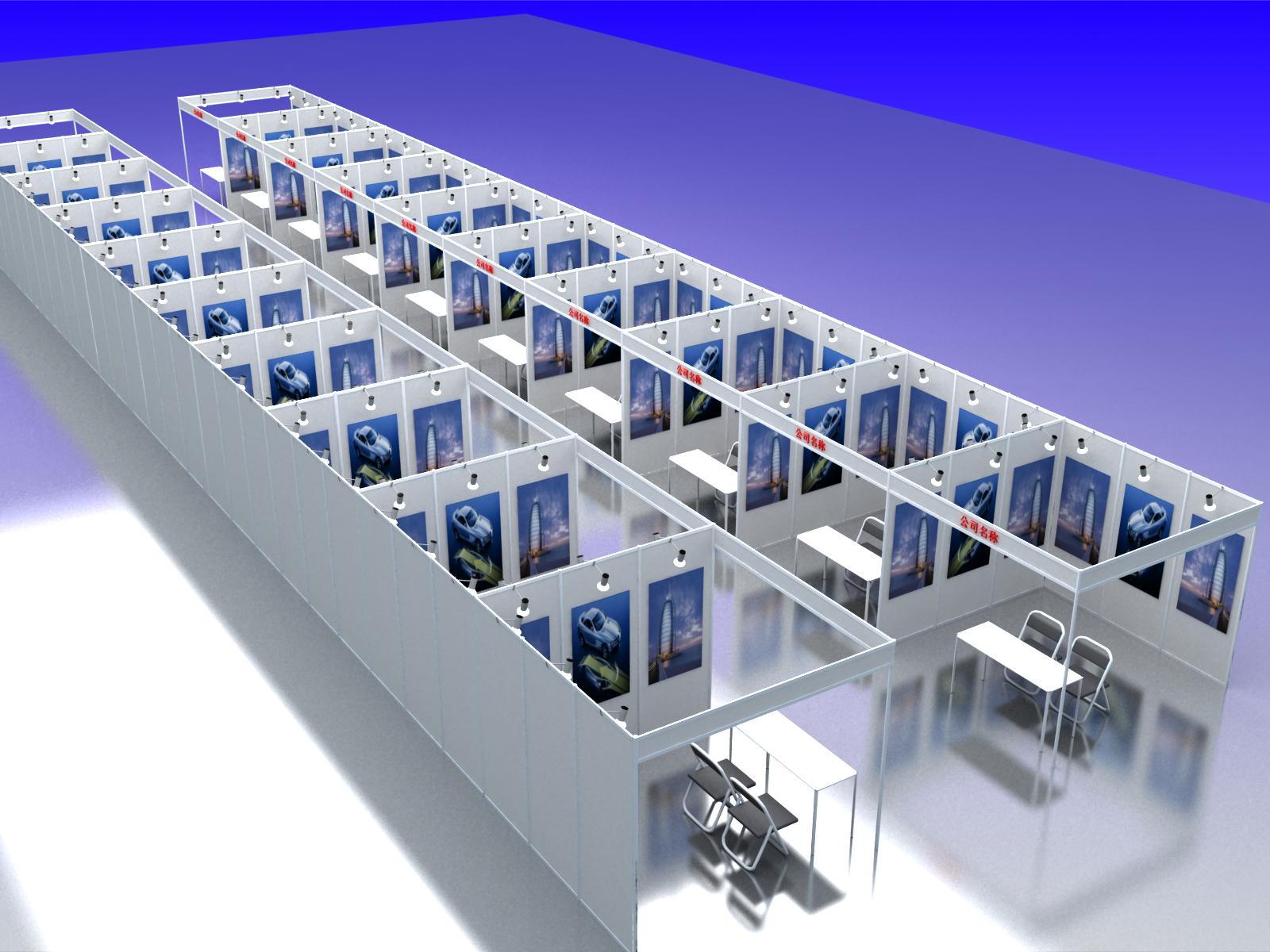

SEG Fabric Display vs Traditional Exhibition Display: Which Is Better for Trade Shows?
 Sep 16, 2026|
 View:2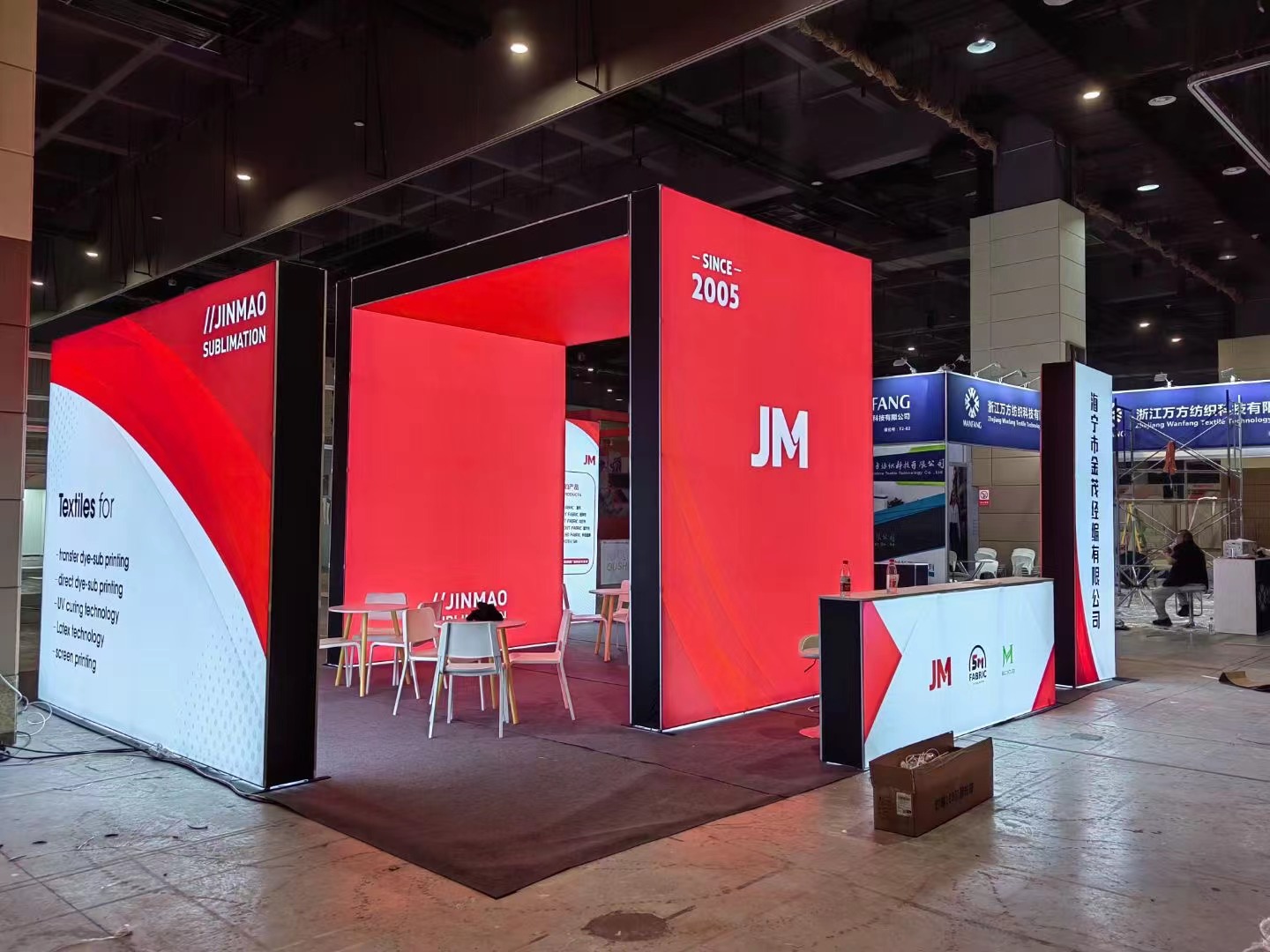
When planning a trade show booth or exhibition display, exhibitors often compare SEG fabric displays with traditional exhibition display systems. Both solutions can be used to present branding, product information and promotional graphics, but they differ in construction, appearance, installation, transportation, graphic replacement and long-term reuse.
An SEG fabric display combines a printed fabric graphic with an aluminum frame. The graphic is finished with a silicone edge that fits into a groove in the aluminum profile, creating a smooth and nearly seamless display surface. Traditional exhibition displays may use rigid printed panels, PVC graphics, modular panels, foam boards or other conventional materials.
The right choice depends on your booth design, budget, transportation requirements, frequency of reuse and graphic requirements. This guide compares SEG fabric displays and traditional exhibition displays to help exhibitors, display distributors and exhibition contractors choose the appropriate system.
What Is an SEG Fabric Display?
SEG stands for Silicone Edge Graphic. An SEG fabric display uses a tension fabric graphic with a silicone strip sewn around the edge. The silicone edge is inserted into a channel in an aluminum frame to hold the graphic in place.
Unlike conventional graphic panels that may require visible connectors, screws or mounting hardware, an SEG system hides most of the frame behind the graphic. This creates a clean appearance that is particularly suitable for modern exhibition booths, retail environments and branded display walls.
How Does an SEG Fabric Display Work?
An aluminum SEG display generally works through four basic steps:
Aluminum frame fabrication: Aluminum extrusion profiles are cut and assembled into the required frame dimensions.
Graphic printing: The required artwork is printed on display fabric.
Silicone edge finishing: A silicone strip is sewn around the edge of the fabric graphic.
Graphic installation: The silicone edge is pressed into the groove of the aluminum frame to tension the fabric.
Once installed, the tensioned fabric creates a flat graphic surface across the frame.
This system can be configured as a single-sided or double-sided display and can also be combined with LED lighting to create a backlit SEG display or fabric light box.
What Is a Traditional Exhibition Display?
Traditional exhibition displays refer to a broad range of conventional display systems used for trade shows, exhibitions, events and promotional environments.
Depending on the project, these displays may use:
Printed rigid panels
Foam boards
PVC graphics
Modular exhibition panels
Pop-up display systems
Traditional aluminum display systems
Custom-built exhibition walls
Other rigid graphic materials
Traditional systems remain widely used because they can accommodate different materials, booth structures and project requirements.
However, their appearance, installation method, transportation requirements and graphic replacement process can vary significantly depending on the specific display system.
SEG Fabric Display vs Traditional Exhibition Display: Key Differences
The following table provides a quick comparison of the two display solutions:
| Feature | SEG Fabric Display | Traditional Exhibition Display |
|---|---|---|
| Graphic surface | Tension fabric | Rigid panels or other graphics |
| Frame | Aluminum extrusion | Various structures and materials |
| Visual appearance | Smooth and nearly seamless | Depends on panel and structure design |
| Graphic installation | Silicone edge inserted into frame groove | Depends on the display system |
| Graphic replacement | Generally simple | Depends on the graphic mounting method |
| Transportation | Fabric graphics can be folded | Rigid panels may require more protective packaging |
| Storage | Fabric graphics require relatively little space | Depends on panel materials and dimensions |
| Customization | Available in different sizes and configurations | Depends on the system |
| Backlighting | Available with compatible systems | Depends on the display construction |
| Reusability | Aluminum frame can be reused with replacement graphics | Depends on the display type |
| Typical applications | Trade shows, retail, events, branded interiors | Trade shows, events, promotions and exhibitions |
Neither system is suitable for every project. The best solution depends on the specific application and purchasing requirements.
1. Visual Quality and Branding
Visual presentation is one of the main reasons exhibitors consider SEG fabric displays.
SEG Fabric Display
An SEG system can create a continuous fabric graphic across a large aluminum frame. Because the graphic is tensioned inside the profile, the finished surface has fewer visible structural elements.
This makes SEG displays suitable for:
Large branded backwalls
Product presentation areas
Corporate exhibition booths
Retail displays
Event branding
Backlit advertising walls
The fabric surface also provides a large area for high-resolution graphics and brand messaging.
Traditional Exhibition Display
Traditional displays can also provide strong visual branding, particularly when rigid panels or custom-built structures are required.
However, depending on the system, panel joints, connectors or other structural components may remain visible.
For exhibitors looking for a minimalist and fabric-based appearance, an SEG system provides a different visual solution.
2. Installation and Dismantling
Installation requirements are another important consideration when selecting an exhibition display.
With an SEG fabric display, the aluminum frame is assembled first. The printed fabric is then installed by inserting the silicone edge into the frame groove.
For many modular applications, this makes the graphic installation process relatively straightforward.
Traditional exhibition displays may require different installation methods, including:
Panel connection
Hardware installation
Graphic mounting
Structural assembly
Additional fastening components
The actual installation time depends on the size and complexity of the display.
For exhibitors who frequently assemble and dismantle displays, the simplicity of the graphic installation process can be an important consideration.
3. Transportation and Storage
Transportation can significantly affect the overall cost of an exhibition display, particularly for companies participating in multiple events or shipping displays internationally.
SEG Fabric Display
One practical advantage of an SEG system is that fabric graphics can generally be folded for transportation. The aluminum frame can also be disassembled into smaller sections.
This can help reduce the volume of the display package compared with some rigid-panel systems.
Typical considerations include:
Foldable fabric graphics
Disassembled aluminum profiles
Compact packaging
Easier storage between events
Traditional Exhibition Display
Rigid graphics and panels may require additional protective packaging to prevent bending, scratching or other damage during transportation.
However, transportation requirements vary significantly between traditional display systems.
For international exhibition projects, buyers should evaluate not only the product price but also packaging dimensions, shipping costs and storage requirements.
4. Graphic Replacement and Reusability
One of the key features of an SEG fabric display is the ability to separate the graphic from the aluminum frame.
For example, an exhibitor can retain the same frame while changing the fabric graphic for:
Different trade shows
New marketing campaigns
Seasonal promotions
New product launches
Different brands
Different exhibition locations
This makes reusable aluminum SEG frames particularly suitable for companies that participate in exhibitions regularly.
Traditional display systems can also be reusable, but the graphic replacement process depends on the specific construction and mounting method.
When evaluating a reusable display, buyers should consider the expected number of events and how frequently graphics will need to be replaced.
5. Customization and Booth Design
Different exhibition projects require different dimensions and configurations.
SEG aluminum frames can be designed for a variety of applications, including:
Single-sided displays
Double-sided displays
Freestanding displays
Wall-mounted displays
Hanging displays
Backlit displays
Custom-size display walls
Frame dimensions, profile specifications and configurations can be selected according to the application.
Traditional exhibition systems also provide customization options, but the available dimensions and configurations depend on the specific display system and materials.
For companies requiring repeated customization or project-specific display solutions, it is important to work with a supplier that can provide the required frame configuration rather than only standard display sizes.
6. Cost: SEG Fabric Display vs Traditional Display
Cost should not be evaluated only by comparing the initial purchase price.
The total cost of an exhibition display can include:
Aluminum frame
Graphic production
LED lighting
Packaging
Transportation
Installation
Storage
Graphic replacement
Maintenance
An SEG system may require an initial investment in the aluminum frame, fabric graphic and optional lighting. However, the frame can potentially be reused with new graphics for subsequent events.
Traditional displays may have different initial costs depending on the materials and construction method.
For companies participating in multiple exhibitions, comparing total cost of ownership over several events can provide a more useful basis for purchasing decisions than comparing the initial product price alone.
7. Backlit SEG Displays
SEG technology can also be combined with LED lighting to create illuminated displays.
A typical backlit SEG display consists of:
Aluminum frame
LED lighting system
Translucent fabric graphic
Silicone edge
Power supply
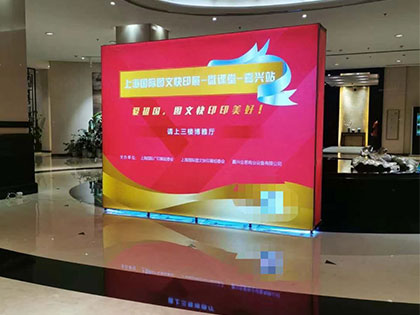
The LED light illuminates the fabric graphic from behind, creating an illuminated branding surface.
Backlit SEG displays can be used for:
Trade show booths
Retail stores
Shopping centers
Corporate interiors
Product launches
Brand activation events
For exhibitors that want illuminated graphics without constructing a traditional illuminated panel, a fabric LED light box can be an option worth considering.
8. Which Display Is Better for Different Exhibition Applications?
There is no single display system that is best for every exhibition project.
Large Trade Show Booths
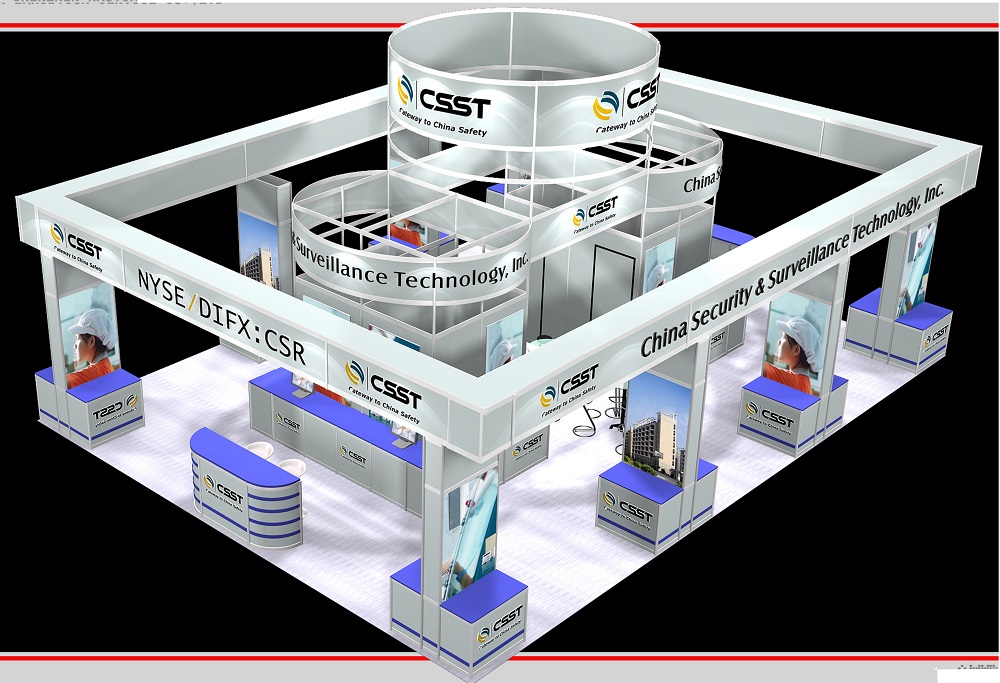
SEG fabric displays can be suitable for large graphic walls and modular exhibition structures where continuous branding is important.
Small Exhibition Booths
Both SEG and traditional systems can work for small booths. The choice depends on the desired appearance, budget, transportation requirements and booth configuration.
Portable Displays
SEG systems can be useful when transportation and repeated assembly are important considerations because fabric graphics can be folded and aluminum frames can be disassembled.
Retail Displays
SEG fabric displays can provide large branded surfaces for retail stores, showrooms and corporate environments.
Backlit SEG systems can also be used when illuminated graphics are required.
Long-Term Exhibition Programs
Companies participating in multiple exhibitions may consider a reusable aluminum frame system with replaceable fabric graphics.
The same frame can potentially support different graphics for different campaigns or events.
How to Choose Between SEG and Traditional Exhibition Displays?
Before purchasing an exhibition display, consider the following questions:
Do You Need a Seamless Graphic Surface?
If a clean fabric surface with minimal visible hardware is a priority, an SEG display may be appropriate.
Will You Reuse the Display?
If the frame will be used for multiple exhibitions, consider a system that allows graphics to be replaced without replacing the entire structure.
How Will the Display Be Transported?
For international exhibitions, evaluate the packed dimensions, weight, protective packaging and shipping requirements.
Do You Need Backlighting?
If illuminated branding is required, consider an SEG light box or another compatible illuminated display system.
Do You Need Custom Dimensions?
For non-standard booth layouts, check whether the supplier can provide customized frame dimensions and configurations.
What Is Your Total Project Budget?
Consider not only the initial product price but also graphics, shipping, installation, storage and future graphic replacement.
Why Choose Green Expomax for SEG Fabric Displays?
Green Expomax provides aluminum and fabric display solutions for exhibition, event and other display applications.
Its product range includes SEG aluminum and fabric systems, SEG frames and light box solutions, providing options for both non-illuminated and illuminated fabric displays.
The company states that it has more than 15 years of experience, over 100 employees and approximately 3,000 square meters of production space. Green Expomax also provides OEM services and supplies products to international markets.
Aluminum SEG Frame Systems
Green Expomax offers aluminum frame systems designed for different display configurations, including:
Single-sided SEG frames
Double-sided SEG frames
Freestanding displays
Wall-mounted displays
Hanging displays
SEG light box systems
Different frame profiles and dimensions can be selected according to project requirements.
SEG Fabric and Light Box Solutions
For applications requiring illuminated branding, Green Expomax also offers fabric LED light box solutions.
These systems combine an aluminum structure with LED lighting and fabric graphics to create a backlit display surface.
Custom Display Solutions
Exhibition contractors, distributors, event companies and brand owners may require display systems with specific dimensions or configurations.
A customized SEG solution can be developed according to factors such as:
Display dimensions
Frame configuration
Single- or double-sided graphics
Lighting requirements
Installation method
Graphic specifications
Packaging requirements
Frequently Asked Questions About SEG Fabric Displays
Is an SEG fabric display better than a traditional exhibition display?
It depends on the application. SEG displays are particularly suitable when seamless fabric graphics, reusable aluminum frames, easy graphic replacement and modern visual presentation are important. Traditional displays may be appropriate when rigid panels or specific conventional construction methods are required.
What is the difference between an SEG display and a traditional exhibition display?
An SEG display uses a fabric graphic with a silicone edge installed into an aluminum frame groove. Traditional exhibition displays may use rigid panels, modular panels, PVC graphics or other display materials.
Are SEG fabric displays reusable?
Yes. The aluminum frame can generally be reused, while the fabric graphic can be replaced for different exhibitions, campaigns or brands.
Can SEG fabric graphics be replaced?
Yes. The silicone-edge graphic can be removed from the aluminum frame and replaced with another compatible graphic.
Are SEG displays easy to transport?
SEG displays can be convenient to transport because fabric graphics can generally be folded and aluminum frames can be disassembled. However, the final package size and shipping requirements depend on the specific display design.
Can SEG frames be customized?
Yes. SEG aluminum frames can be produced in different dimensions and configurations depending on the manufacturer and application.
Can SEG displays be backlit?
Yes. SEG technology can be integrated with LED lighting to create backlit fabric displays and SEG light boxes.
How much does an SEG fabric display cost?
The price depends on factors such as frame dimensions, aluminum profile, graphic size, single- or double-sided configuration, LED lighting, order quantity, packaging and shipping destination. Buyers should provide complete project specifications when requesting a quotation.
Can I buy SEG displays directly from a manufacturer in China?
Yes. Chinese display manufacturers and suppliers offer SEG aluminum frames, fabric displays and SEG light box systems for international customers. When selecting a supplier, buyers should evaluate production capability, customization, quality control, OEM services, packaging and export experience.
SEG Fabric Display or Traditional Exhibition Display: Which Should You Choose?
SEG fabric displays and traditional exhibition displays can both serve effective branding and exhibition purposes.
Choose an SEG fabric display when your priorities include:
A clean and nearly seamless graphic appearance
Reusable aluminum frames
Replaceable fabric graphics
Flexible display configurations
Convenient graphic transportation
Backlit display options
Modern exhibition and retail presentation
Consider a traditional exhibition display when your project requires:
Rigid graphic panels
Specific conventional display materials
An existing modular panel system
A particular custom-built structure
A project where the traditional construction method fits the budget and application
The best choice should be based on the complete project requirements rather than the display type alone.
If you are looking for an aluminum SEG frame manufactureror custom SEG fabric display supplier in China, Green Expomax can provide SEG frame, fabric display and light box solutions for exhibition and display applications. Contact Green Expomax with your required dimensions, quantity, graphic requirements and lighting specifications to discuss a suitable solution.