


 info@greenexpomax.com

SEG Lightbox vs. Traditional Lightbox: Why Modern Displays Are Taking Over
 Feb 27, 2026|
 View:815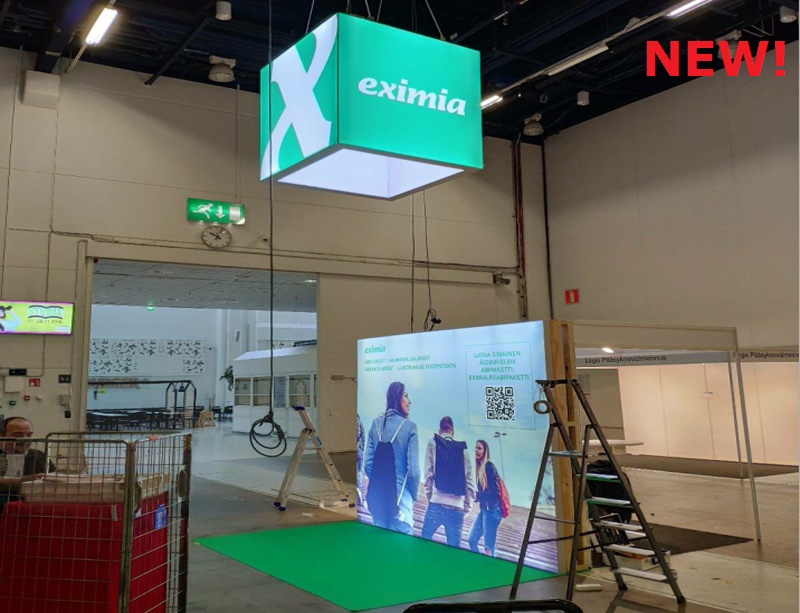
In the world of visual merchandising and brand presentation, the quality of your display can speak volumes before a customer even reads the text. For years, traditional lightboxes were the standard. But today, a sleek contender has taken center stage: the SEG lightbox.
If you are tasked with creating a powerful brand presence for a retail store, trade show, or corporate lobby, you've likely encountered both options. Understanding the difference between a modern SEG lightbox and a traditional lightbox is crucial for making an investment that delivers stunning visuals, ease of use, and long-term value. This guide will walk you through every critical difference, from installation and visual impact to maintenance and sustainability, helping you make the perfect choice for your next project.
Key Takeaways
Before diving into the details, here are the essential points of comparison between SEG lightbox systems and traditional models:
| Feature | SEG Lightbox | Traditional Lightbox |
|---|---|---|
| Graphic Change | Extremely fast & tool-free. Graphics slide into a frame groove. | Slow & often requires tools. Stapling, taping, or removing heavy frames. |
| Visual Appeal | Modern, frameless look with edge-to-edge image. | Visible frame borders that can interrupt the image. |
| Image Quality | Sharp, vibrant fabric graphics (dye-sublimation). | Often uses vinyl, which can be prone to wrinkles and glare. |
| Lighting | Designed for uniform, edge-to-edge LED illumination. | Can have uneven lighting (hot spots) with older fluorescent tech. |
| Durability | High-quality aluminum frames and fade-resistant fabric. | Can vary; susceptible to yellowing, rust, or corner damage. |
| Sustainability | Often uses recyclable aluminum and eco-solvent/water-based inks. | Older models consume more power and use less eco-friendly materials. |
What is a SEG Lightbox?A Modern Standard
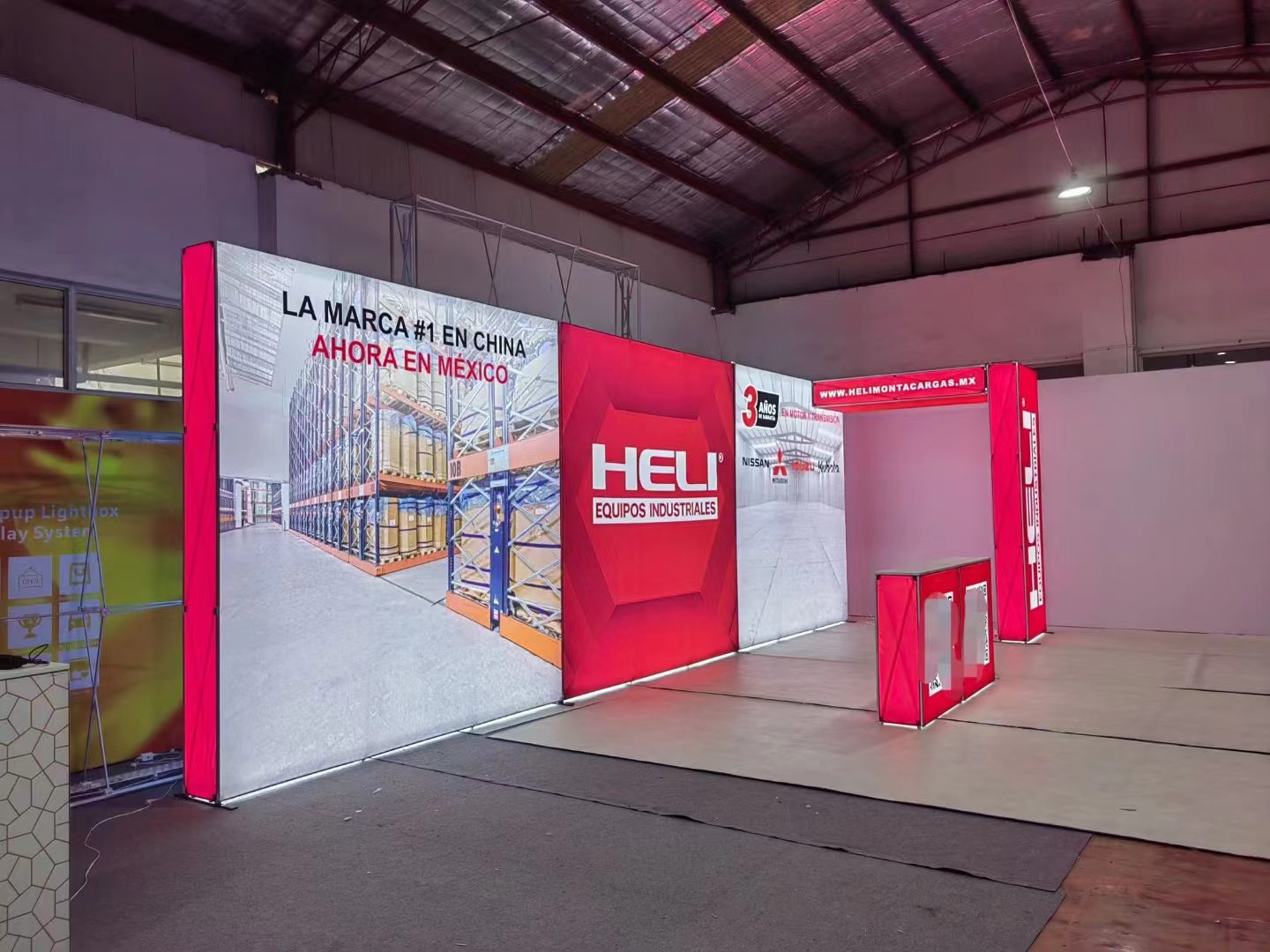
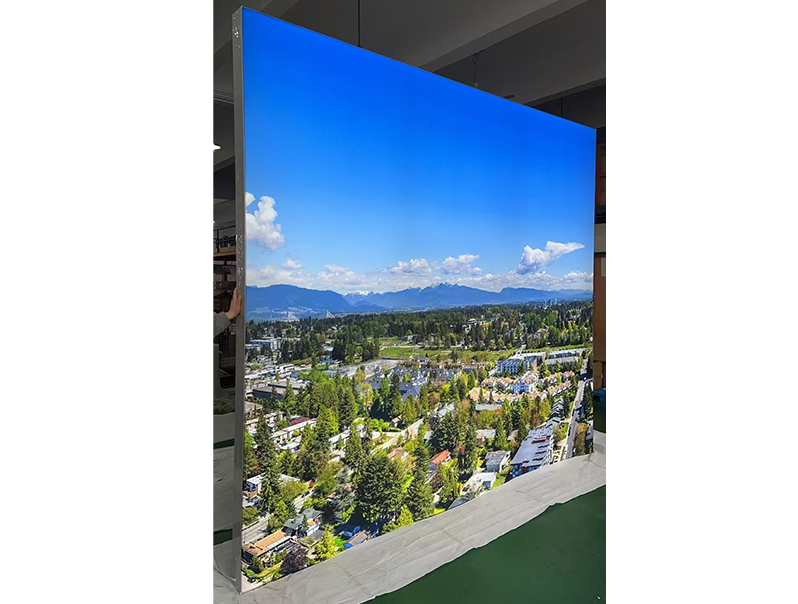
SEG stands for Silicone Edge Graphics. An SEG lightbox consists of a lightweight, durable aluminum frame with a recessed groove running around its entire inner edge. The graphic is a fabric print with a clear, flexible silicone strip sewn seamlessly around its perimeter. To install, you simply press this silicone strip into the frame's groove. The tension of the silicone holds the fabric perfectly flat, creating a smooth, wrinkle-free surface that appears to float within the frame.
At Green Expomax, we specialize in these systems, offering a wide range from ultra-slim 4mm frames to pillar SEG lightbox designs, all utilizing premium aluminum and energy-efficient LED lighting to ensure your message shines.
What is a Traditional Lightbox?
Traditional lightbox is a broad term, but it generally refers to older technologies. These typically involve a rigid box (often made of metal or plastic) housing a light source—historically fluorescent tubes, though some now use LEDs. The graphic, usually a vinyl film or a rigid panel, is attached directly to the front face of the box. Attachment methods vary widely, including using magnets, tape, plastic caps on the corners, or even stapling the graphic to the back of the frame. The result is a visible border where the graphic meets the frame, which can distract from the intended image.
Detailed Comparison: SEG Lightbox vs. Traditional Lightbox
1. Installation and Graphic Replacement
The most significant practical difference lies in how you change the graphic.
SEG Lightbox: This is where the SEG system truly excels. Changing a graphic is a task measured in seconds, not minutes. You simply pull the silicone edge out of the groove from one corner, remove the old graphic, and press the new one in place. It’s completely tool-free. For businesses that update promotions seasonally or frequently, this speed translates directly into labor cost savings and less downtime.
Traditional Lightbox: Changing a graphic in a traditional box is often a cumbersome process. It might involve prying off a heavy front cover, removing dozens of retaining clips, or carefully peeling back an adhesive graphic. This often requires tools, two people for larger units, and carries a risk of damaging the frame or the new graphic during installation.
2. Visual Appeal and Aesthetics
First impressions are everything in display. The visual difference is striking.
SEG Lightbox: The primary aesthetic advantage is its modern, frameless appearance. Because the graphic is tensioned from behind, the image appears to wrap seamlessly over the edges of the frame. This creates a clean, high-end, edge-to-edge look that is highly valued in premium retail and corporate environments. The fabric material also diffuses light beautifully, eliminating glare.
Traditional Lightbox: The graphic sits on top of the frame, leaving a visible border (usually metal or plastic) around the entire image. This border can cheapen the look and break the visual flow, drawing the eye to the hardware instead of the message.
3. Image Quality and Material
SEG Lightbox: SEG lightboxes use fabric graphics printed via dye-sublimation. This process infuses the ink into the fabric's fibers, resulting in vibrant, rich colors that are resistant to fading and scratching. The fabric is also breathable, which helps eliminate wrinkles and ensures a perfectly flat surface that acts as a superb diffuser for the LED backlighting.
Traditional Lightbox: Traditional boxes most commonly use vinyl graphics. While durable, vinyl can be prone to creasing, reflecting light in unwanted ways (glare), and can appear less vibrant over time. The material is also heavier and less forgiving to install smoothly.
4. Lighting and Illumination
SEG Lightbox: Modern SEG lightbox systems are designed hand-in-hand with LED technology. The shallow depth of the frames is perfect for even light distribution. High-quality LEDs, like those used in our Green Expomax products, provide consistent, bright, and uniform illumination across the entire graphic with no hot spots or dark edges, while consuming minimal energy and generating little heat.
Traditional Lightbox: Older traditional lightboxes often used fluorescent tubes. These are prone to flickering, produce uneven light (visible bright spots behind the tubes), contain mercury, and consume more electricity. Even when retrofitted with LEDs, the box depth and diffusion method may not be optimized for perfect uniformity.
5. Frame Construction and Durability
SEG Lightbox: The heart of an SEG lightbox is its precision-engineered aluminum frame. Aluminum is lightweight, incredibly strong, and will not rust or warp. The grooved extrusion is designed for repeated graphic changes without wearing out, ensuring the system provides years of reliable service.
Traditional Lightbox: Construction quality varies significantly. Cheaper boxes might use MDF (particle board) that can swell in humidity, or thin sheet metal that can dent. The fastening mechanisms for the graphic can also wear out or break over time, potentially ruining a display.
6. Applications and Versatility
SEG Lightbox: The versatility of the SEG system is unmatched. It can be configured into virtually any shape or size. At Green Expomax, we offer freestanding light boxes, wall-mounted slim light boxes, double-sided units, and even complex combination LED light boxes and pillar SEG lightbox designs. This adaptability makes it perfect for trade show booths, museum exhibits, retail storefronts, and restaurant branding.
Traditional Lightbox: Traditional boxes are often limited to standard, rectangular shapes due to manufacturing constraints. Creating custom shapes is costly and complex, limiting creative freedom for designers.
7. Sustainability
SEG Lightbox: Sustainability is increasingly a key purchasing factor. SEG lightbox systems are inherently more sustainable. The aluminum frames are fully recyclable. The fabric graphics are lighter to ship, reducing carbon footprint, and are often printed with eco-friendly, water-based inks. Furthermore, the extreme longevity and low power consumption of the LEDs contribute to a lower environmental impact over the product's lifetime. As noted on our website, we prioritize the use of biodegradable materials and components.
Traditional Lightbox: Traditional boxes, especially older ones with fluorescent lighting, have a higher environmental impact due to higher energy use and the presence of hazardous materials like mercury. Vinyl graphics are also more difficult to recycle.
Why Choose Green Expomax for Your SEG Lightbox Needs?
As an experienced SEG lightbox supplier, Green Expomax is dedicated to providing innovative, dependable, and high-quality display solutions. Our extensive collection of SEG Aluminum Fabric Systems is designed to meet diverse needs, from retail and trade shows to corporate environments. We combine premium aluminum frames, energy-efficient LED lighting, and customizable features—all backed by international certifications (CE, RoHS), a full warranty, and perfect after-sale service. Whether you need a standard size or a custom pillar SEG lightbox to become the visual focus of your space, we have the expertise to bring your vision to life.
Frequently Asked Questions About SEG Lightboxes
Q: Is a SEG lightbox difficult to install?
A: Not at all. Installation is designed to be simple. The aluminum frame is assembled easily, and the graphic installs by simply pressing the silicone edge into the frame's groove. No tools or special training are required.
Q: How long does it take to change the graphic in a SEG lightbox?
A: It typically takes less than a minute for one person to change a graphic. This speed makes it ideal for businesses that update their promotions frequently.
Q: What type of lighting is used in a modern SEG lightbox?
A: They exclusively use energy-efficient LED lighting. This provides bright, uniform illumination, lasts for tens of thousands of hours, and generates very little heat compared to old fluorescent systems.
Q: Can I get a SEG lightbox in a custom size or shape?
A: Yes, absolutely. The aluminum extrusion system is highly flexible. Manufacturers like Green Expomax can produce SEG lightbox frames in virtually any size or shape, including circles, pillars, and L-shapes, to fit your specific needs.
Q: Are the fabric graphics for SEG lightboxes washable?
A: The fabric graphics are durable and can be gently hand-washed with mild soap and water if they become dusty. However, for best longevity, it's usually recommended to clean them carefully or simply replace them with a new print.
Q: Is a SEG lightbox more expensive than a traditional one?
A: While the upfront cost might be slightly higher than a basic traditional box, the SEG lightbox offers significantly better long-term value. You save money on labor for every graphic change, benefit from lower energy bills, and avoid the cost of frequently replacing entire units thanks to its durable, modern design.
Conclusion
The choice is clear. While traditional lightboxes served their purpose in the past, the SEG lightbox represents the future of illuminated displays. Its combination of stunning, frameless aesthetics, unparalleled ease of graphic changes, superior image quality, energy efficiency, and durable construction makes it the superior investment for any business serious about its brand image. By choosing a SEG lightbox system from a trusted manufacturer like Green Expomax, you are not just buying a display; you are investing in a versatile, long-term solution that will keep your messaging vibrant and your brand looking its absolute best for years to come.
Ready to elevate your brand's visual impact? Explore our range of premium SEG lightbox solutions and request a quote today.




Recent News
1.Top 10 SEG Lightbox Manufacturers in the USA 2025
2025-09-162.What is a SEG Lightbox?
2025-09-283.How to Make Your SEG Light Box Stand Out with Custom Branding
2025-10-154.What Is a SEG Lightbox Used For?
2025-11-125.TOP 10 SEG Light Boxes Suppliers in Spain 2026
2025-12-196.Top 10 SEG Light Box Manufacturers in China 2026
2026-01-267.What Are SEG Frames and Why Are They Popular in 2026
2026-01-09