


 info@greenexpomax.com

What is a Fabric Lightbox?
 Jul 31, 2025|
 View:187
In front of brand counters in shopping malls, at corporate booths at trade shows, and in street shop windows, we often see a display device with vibrant images and a soft texture—the Fabric Lightbox. As a popular commercial display tool, Fabric Lightboxes, with their unique structure and outstanding display effects, are gradually becoming the "new darling" for brand promotion and space decoration. However, for many people, the concept of "Fabric Lightbox" is still a bit unfamiliar. What exactly is it? What is so special about it? Where is it suitable for use? Today, we will answer these questions one by one.
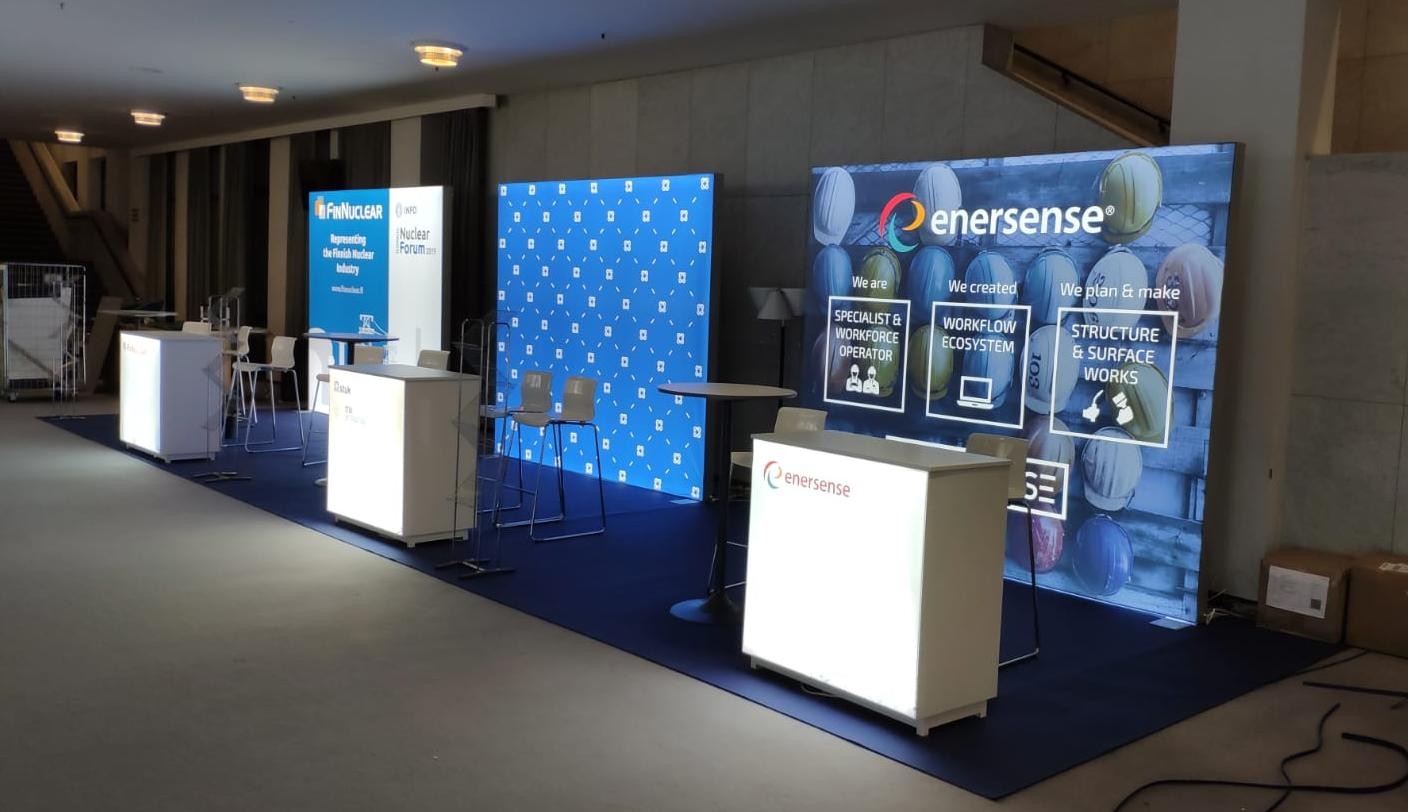
Basic Definition of a Fabric Lightbox
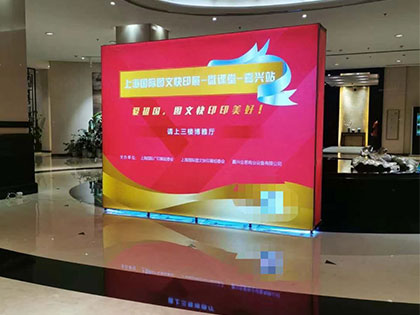
Simply put, a Fabric Lightbox is a new type of display device that uses fabric as the image carrier, LEDs as the light source, and an aluminum frame as the support. By stretching a printed flexible fabric tightly against a specially designed frame, combined with internal LED lighting, it creates a visual effect with rich colors and clear layers. Compared to traditional light boxes, this type of light box's most notable feature is its fabric display, rather than glass or acrylic. This gives it advantages in weight, texture, and installation flexibility.
The design concept for this type of Fabric Lightbox stems from the need for lightweight displays—they must deliver eye-catching advertising while also being easy to transport, install, and change. After years of technological advancement, fabric light boxes have become a display solution that combines aesthetics, practicality, and environmental friendliness.
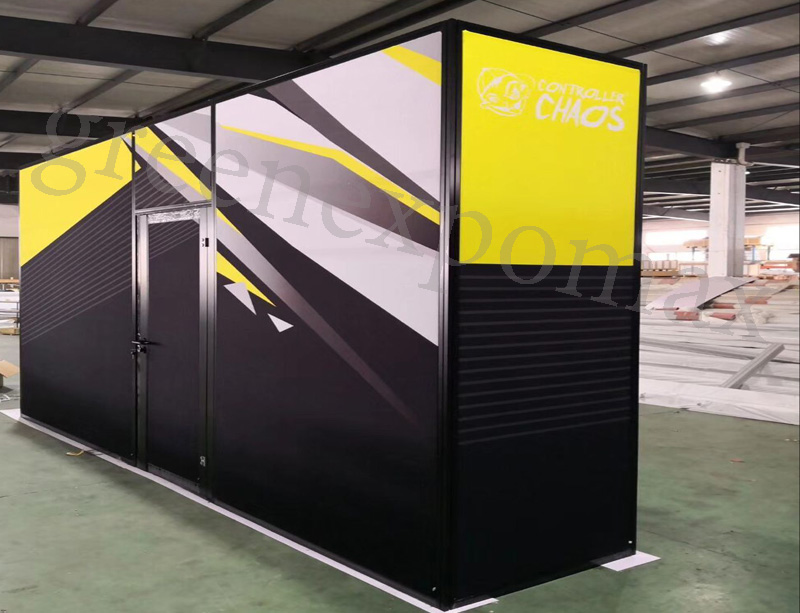
The Core Structure of a Fabric Lightbox
A qualified fabric lightbox typically consists of three key components, which work together to determine its performance and display effects:
Aluminum Frame: The Fabric Lightbox's "frame" is typically made of high-strength aluminum profiles, with a thickness typically ranging from 15mm to 180mm, depending on the display requirements. This frame is not only lightweight, making it easy to transport and install, but also highly resistant to deformation, ensuring the long-term stability of the light box. Special grooves are designed along the frame's edges to secure the fabric display, ensuring a smooth, wrinkle-free surface.
Fabric Display: This is the "face" of the light box, typically made of highly elastic polyester or knitted fabric. This fabric offers excellent light transmittance, allowing light to penetrate evenly. It is also wrinkle-resistant, wear-resistant, stain-resistant, and waterproof. Digitally printed, the display boasts high color reproduction and resists fading even with extended use. More importantly, the display can be easily removed from the frame and replaced, meeting the need for frequent content updates.
LED Light Source: The "heart" of the fabric lightbox is the built-in LED light strip. High-quality fabric light boxes utilize energy-efficient LEDs, which provide high brightness and uniform illumination, ensuring crisp, clear display from edge to center, eliminating vignetting. Furthermore, LED light sources offer a long lifespan and generate minimal heat, reducing maintenance costs.
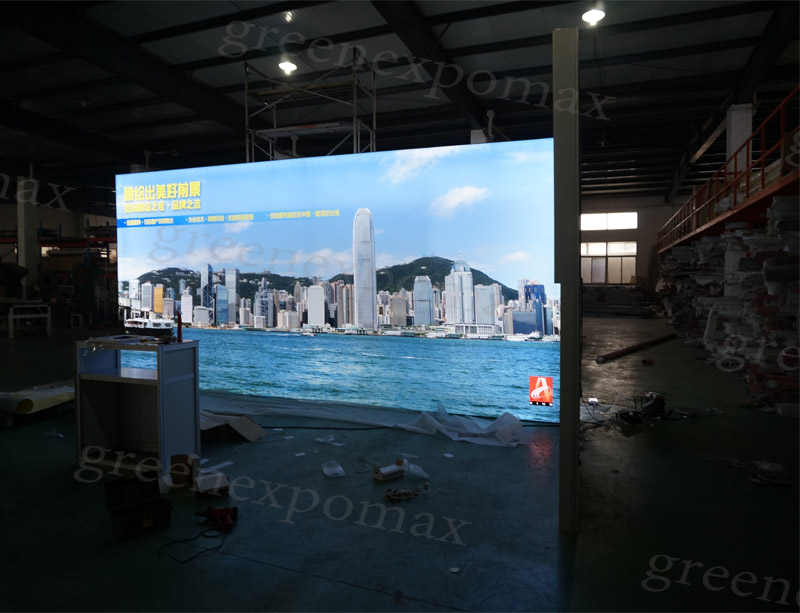
Core Advantages of Fabric Lightbox
Why are more and more businesses choosing fabric lightboxes? This is due to their unique advantages:
Outstanding Display: The fabric material has a soft, velvety texture. Combined with LED lighting, the display's colors appear richer and more vibrant, while avoiding the glare typical of glass light boxes. Whether it's a complex brand logo or exquisite product images, fabric lightboxes can showcase exquisite details and instantly capture your audience's attention.
Easy Installation and Replacement: Fabric Lightbox often feature a modular frame design, requiring no complex tools for assembly and can be completed in just a few steps. More importantly, the fabric display is embedded into the frame's grooves using specially designed silicone strips. Replacing the display simply requires gently pulling out the old display and snapping the new one back in. The entire process takes just minutes, significantly saving both labor and time.
Lightweight and Easy to Transport: Thanks to its aluminum frame and lightweight fabric, the light box is significantly lighter than traditional glass light boxes. For companies that frequently exhibit, this portability means lower shipping costs and easier portability and installation, making it particularly suitable for long-distance transport, such as for overseas exhibitions.
Durable and Eco-Friendly: The aluminum frame is corrosion-resistant and oxidation-resistant, maintaining stability even in humid environments or with large temperature fluctuations. The fabric display is made of durable fabric that resists stretching and tearing, allowing for repeated use. The LED light source consumes less energy than traditional fluorescent tubes, aligning with current green trends. In terms of long-term use, fabric light boxes offer lower overall costs.
High Customization: Fabric lightboxes can meet individual needs in terms of size, shape, and display method. They can be customized to suit the venue's size, including rectangular, square, circular, and even custom shapes. Single- or double-sided displays can be chosen to accommodate various spatial layouts. Flexible installation options are also available, including wall-mounted, suspended, and vertical placement, adapting to a variety of scenarios.
Applicable Applications of Fabric Lightbox
The versatility of fabric lightboxes makes them useful in a variety of fields. Common applications include:
Trade Shows: At trade shows and expositions, companies need to quickly create recognizable booths. Fabric lightboxes can serve as backdrops or centerpieces in product display areas, clearly displaying their brand image while allowing for quick disassembly and packing after the show for easy reuse.
Retail Stores: Brand counters in shopping malls, street-side clothing stores, cosmetics shops, and more can all use fabric light boxes to create a vibrant atmosphere. For example, placing a large light box at the entrance to showcase seasonal new products, and using smaller light boxes next to the shelves to display promotional information, can both enhance the store's appeal and draw customers' attention to key products.
Office: Fabric Lightboxes can be used to showcase a company's vision, development history, or team profile at a company's reception desk, conference room, or showroom. They are both aesthetically pleasing and convey corporate culture, leaving a professional impression on visitors.
Food and Entertainment: Restaurants, cafes, cinemas, and other venues can use fabric light boxes to display menus, event posters, or brand stories. The soft lighting creates a warm and comfortable atmosphere, enhancing the customer experience.
Automotive 4S Dealerships: In car showrooms, fabric lightbox can be used to showcase model features, promotions, or brand history. Combined with vehicle displays, they can convey information more intuitively and enhance the brand's premium image.
Public Places: In high-traffic areas such as airports, train stations, and subway stations, fabric lightboxes can be used as signage and advertising space. They clearly convey information without appearing obtrusive, blending seamlessly into the surrounding environment.
Key Points for Choosing Fabric Light Boxes
With so many fabric lightboxes on the market, how do you choose the right one for you? The following key points are worth considering:
Clarify the intended use: If the fabric lightbox is for a long-term, fixed display (such as in a store), choose a thicker frame for increased stability. For temporary use, such as at an exhibition, prioritize lightweight and easy-to-assemble designs.
Focus on core components: The thickness and material of the frame determine the fabric lightbox's stability. We recommend choosing an aluminum frame with a moderate thickness (e.g., 30mm-100mm). For fabric displays, be sure to check the fabric material to ensure light transmittance and wear resistance. The brightness and uniformity of the LED light strips are crucial; request samples to test the actual lighting effect.
Confirm customization capabilities: If you require a specific size or shape, communicate with the supplier in advance to confirm whether they can meet your requirements, as well as the turnaround time and cost.
Consider after-sales service: High-quality suppliers offer comprehensive after-sales service, such as replacing damaged light strips and restocking frame parts. This can reduce subsequent hassles.
Summary
As an efficient and flexible display tool, fabric lightboxes have become a vital choice for commercial promotion and space decoration, thanks to their excellent display effects, convenient installation, and wide applicability. Whether it's increasing brand exposure or optimizing the visual impact of a space, they play a vital role.
If you're looking for high-quality, customized fabric lightbox solutions, consider choosing professional fabric lightbox manufacturer Changzhou Green Expomax Corp. With 15 years of industry experience and strict product quality control, the company offers fabric lightbox products tailored to various scenarios. From design to production to after-sales service, they provide comprehensive support, making your display space more attractive.


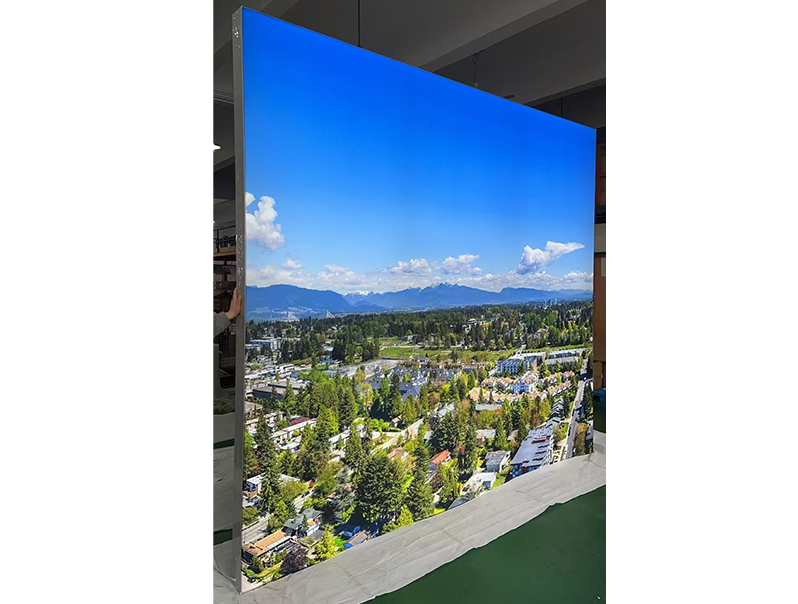


Recent News
1.The advantages of Folding light box
2022-11-242.How to Store a Folding Light Box?
2023-06-093.What are the benefits of quality materials for exhibition booths?
2023-03-314.What is the difference between a backlit and a lightbox?
2025-01-025.High-Performance SEG Lightbox Display Solutions 2025-GreenExpomax
2025-05-226.What is a light box display?
2025-06-257.The Ultimate Guide to Backlit Fabric Lightboxes: 7 Reasons Your Business Needs One
2025-07-04